

Spend-based Scope 3 Emissions Reporting
From an assurance perspective, spend-based calculations warrant particular attention due to its higher degree of uncertainty.
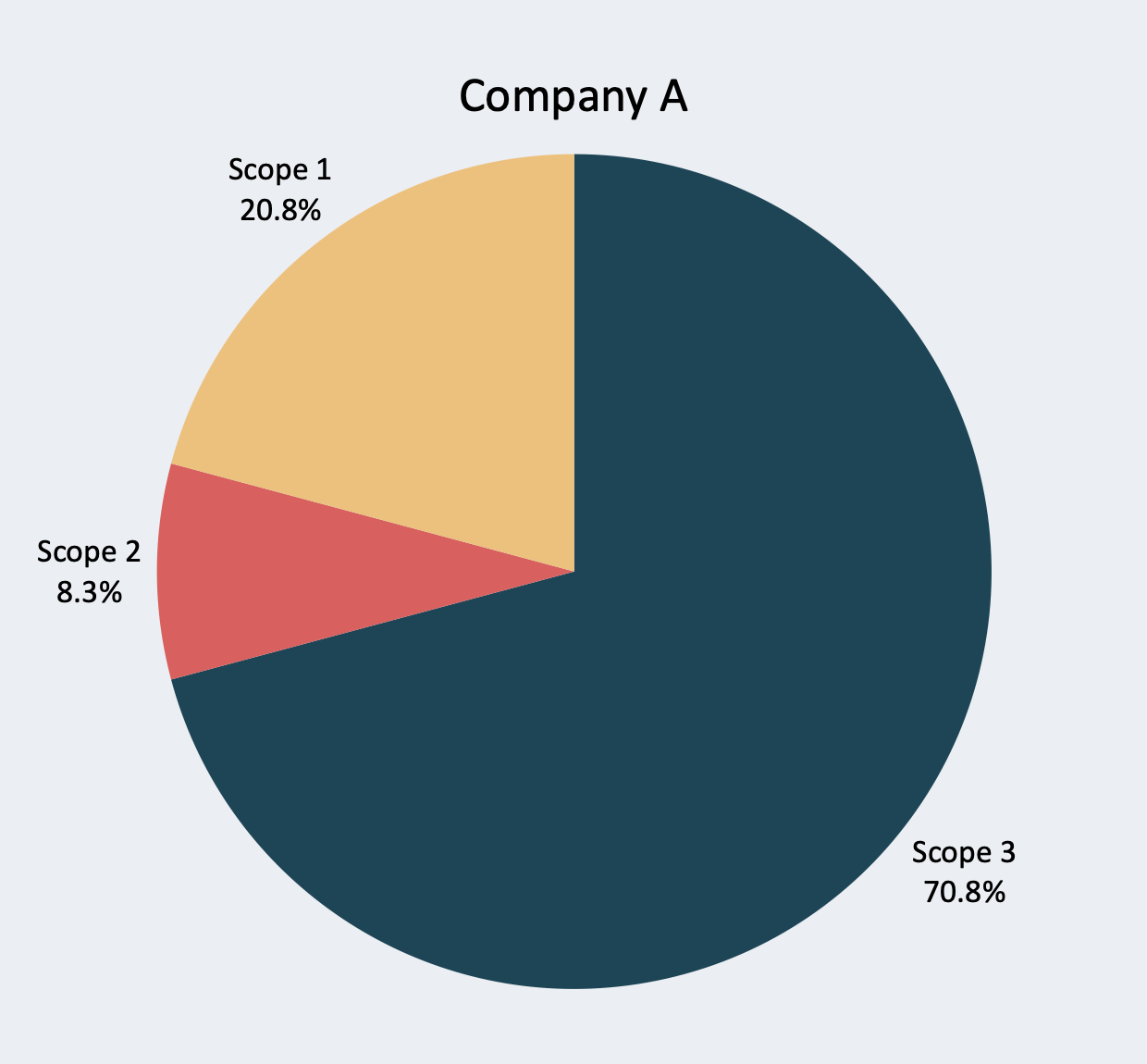
The use of spend-based methodologies to estimate Scope 3 emissions is becoming increasingly common, particularly across Category 1 (Purchased Goods and Services) and Category 2 (Capital Goods). While this approach provides a practical solution where supplier-specific or activity-based data is unavailable, it introduces a higher degree of uncertainty and requires careful application. The following considerations reflect common audit focus areas and issues observed by our team across a variety of audits.
Application of a Transparent and Consistent Methodology
As with all greenhouse gas (GHG) quantification approaches, the methodology applied should be clearly defined and consistently implemented.
A robust approach is characterised by:
Transparency: Assumptions, exclusions, data sources, and methodological choices are clearly documented and available for review.
Consistency: Emission factors and calculation approaches are applied consistently across reporting periods and relevant categories, unless justified changes are disclosed.
Traceability: Calculations are supported by underlying financial data, with a clear audit trail back to source systems such as the general ledger or procurement records.
A lack of clarity or inconsistent treatment across periods can significantly reduce the reliability and comparability of reported emissions.
Correct Classification between Scope 3 Categories
Misclassification between Scope 3 categories is a common issue in spend-based reporting. In particular:
Category 1 (Purchased Goods and Services) includes goods and services consumed within the reporting period.
Category 2 (Capital Goods) relates to long-lived assets such as buildings, vehicles, machinery and IT equipment, which provide value over multiple years.
These classifications may not align directly with financial accounting treatment, and audit procedures should assess whether the organisational interpretation is appropriate and consistently applied.

Treatment of Inflation, Tax and Currency Adjustments
Because spend-based methods rely on financial data, adjustments to ensure alignment with emission factors are critical. Key considerations include:
Inflation adjustments: Where emission factors are based on a different base year, spend data may need to be adjusted (e.g. using CPI) to ensure comparability.
Tax treatment: The inclusion or exclusion of GST (or equivalent taxes) should be consistent with the basis of the emission factors used.
Currency conversion: Where emission factors are sourced internationally, appropriate and consistent exchange rates should be applied.
Failure to address these elements can result in material misstatement of emissions.
General Ledger Data Integrity and Audit Trail
The reliability of spend-based estimates is fundamentally dependent on the quality of the underlying financial data. Audit focus areas typically include:
Clear inclusion and exclusion criteria: Defining what spend is in scope (e.g. excluding employee salaries, intercompany transactions, or items already captured in other emission categories).
Retention of a complete data trail: Source data should not be altered (e.g. deleting ledger lines). Instead, items should be flagged as included or excluded to preserve auditability.
Avoidance of double counting: General ledger descriptions and supplier information should be reviewed to ensure items such as electricity, fuel, waste, or travel are not captured in both Scope 1, Scope 2, and Scope 3 categories.
A transparent and intact audit trail is essential for verification and for demonstrating control over reported data.
Mapping Spend to Appropriate Emission Factors
The selection of emission factors is a key area of judgement in spend-based methodologies. Considerations include:
Appropriate categorisation: Spend categories should be mapped to the closest relevant emission factor. Overly broad or generic mappings can materially reduce accuracy. For example, using an “air passenger transport” factor is generally more appropriate for business flights than a broader “travel services” category.
Price basis alignment: Where applicable, emission factors should be aligned with the nature of the spend - for example, distinguishing between purchaser price (retail) and basic price (direct from producers).
Documentation of judgement: Where multiple factors could reasonably apply, the rationale for selecting the “best fit” factor should be clearly documented.
Given the inherent approximation in spend-based methods, the rationale for factor selection is a key area of audit scrutiny.
Conclusion
Spend-based approaches play an important role in Scope 3 emissions reporting where more granular data is not available. However, the associated uncertainty places greater emphasis on methodological transparency, data integrity, and documented judgement.
Organisations should ensure that their approach is clearly defined, consistently applied, and supported by a robust audit trail. From an assurance perspective, these elements are critical to establishing confidence in reported emissions.
Feel free to contact us at info@mchugh-shaw.co.nz to discuss your assurance requirements or request our free GHG Protocol Scope vs ISO Category Comparison Table. We have over 15 years of experience, and complete ISO 14064-1, GHG Protocol, ISO 14067, Airport Carbon Accreditation, Eco Choice Aotearoa, Product Stewardship and Aotearoa New Zealand Climate Standard assurance.
Last Updated June 2026